About Noograms: The Graphic Novel
By Celso Singo Aramaki + AI (November 2024)
Noograms: A Journey of Innovation and Evolution
Over the past few months, the Noograms project has undergone significant developments, reinforcing its identity as a groundbreaking fusion of storytelling, artificial intelligence, and open-source innovation. As I continue refining both the narrative and technological frameworks, I want to share the key advancements and the vision that drives this project forward.
Concept and Story: Expanding the Narrative Depth
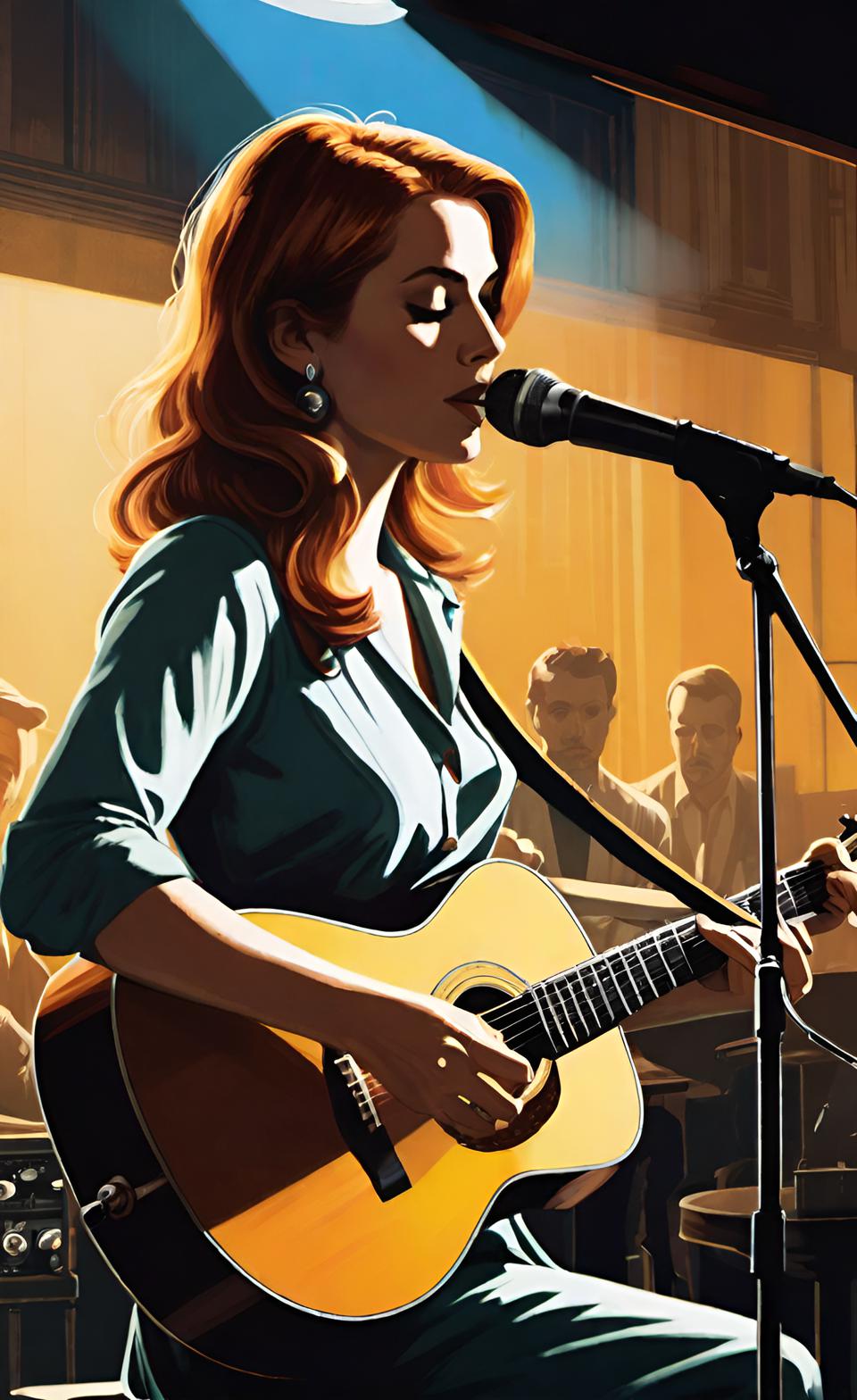
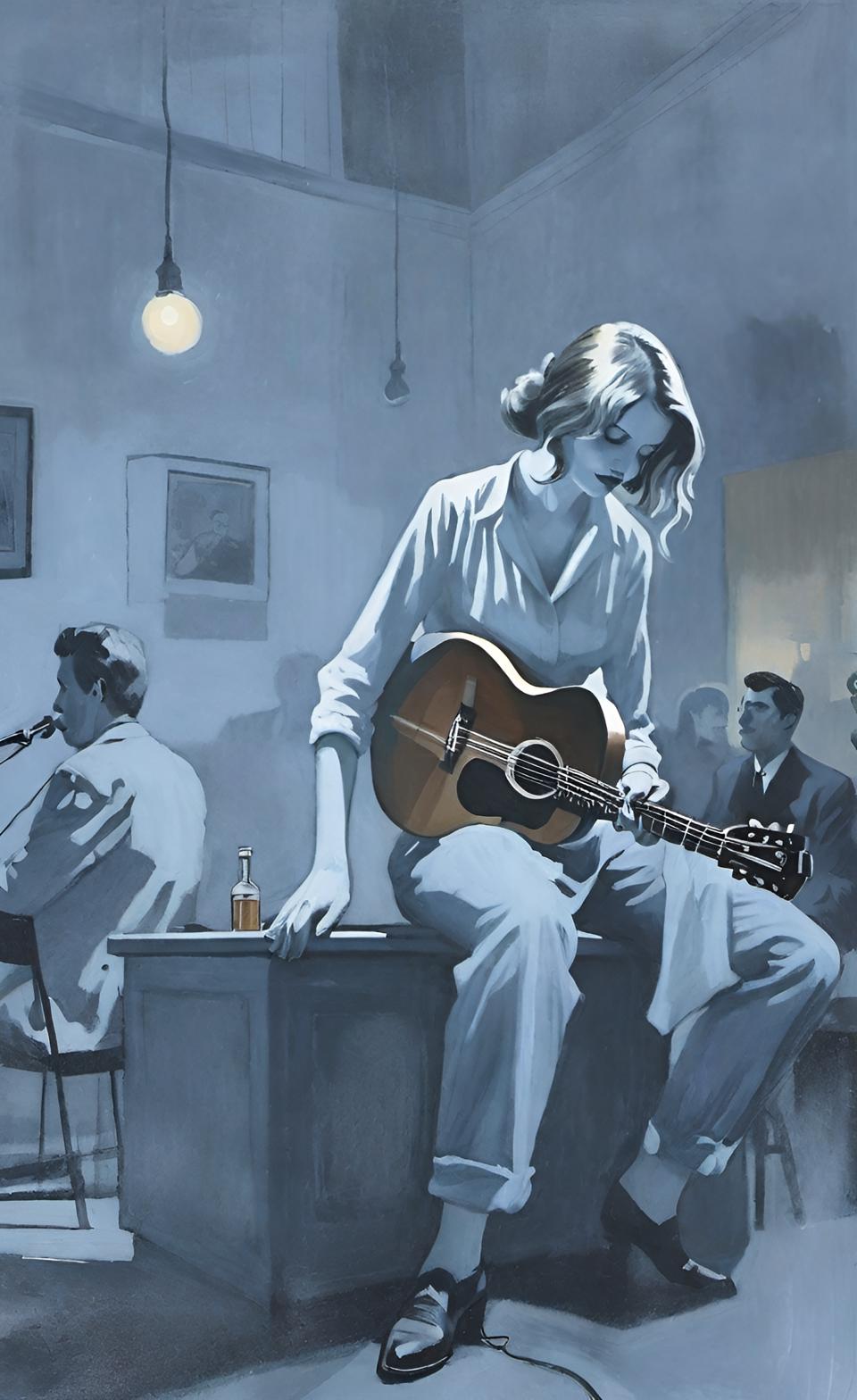
Noograms is set in the cultural landscape of 1990s New York City, a dynamic and transformative period that provides an authentic and visually rich backdrop. The story follows an indie grunge rock band whose members, also university students, grapple with personal growth, artistic ambition, and deep philosophical inquiries.
One of the most exciting aspects of Noograms is its unique blend of music, intellectual exploration, and speculative ideas. By integrating concepts like the Noosphere (Teilhard de Chardin), Synergy (Buckminster Fuller), and the Long Now Clock (Stewart Brand), the narrative moves beyond traditional storytelling into a realm where philosophy and human experience intertwine organically.
Noograms draws from diverse literary and artistic influences, ranging from Maus by Art Spiegelman and the storytelling traditions of Japanese manga to the introspective narratives of Philip K. Dick, Sherwood Anderson’s Winesburg, Ohio, and Borges’ The Book of Sand. Additionally, the dialogue style—natural, unfiltered, and evocative of Salinger’s work—aims to make the characters and their interactions feel deeply real.
AI Agents: Characters That Learn and Evolve
One of the most significant breakthroughs in Noograms has been the development of AI-driven characters, each operating as an AI Agent with a knowledge base, personality traits, and evolving memory structures. Unlike static fictional characters, the AI Agents in Noograms learn from their interactions within the story. Their personalities grow, adapt, and react to experiences, shaping the narrative in unexpected and organic ways.
This means that each chapter of Noograms represents not just a progression in plot but also an evolution of the characters themselves. Their relationships with each other—and their understanding of the world—are not pre-scripted but emerge dynamically through AI-driven interactions.
By leveraging Natural Language Processing (NLP), Machine Learning (ML), and Knowledge Graphs, the AI Agents can generate human-like dialogue, respond contextually, and exhibit emotional complexity. This results in a level of realism rarely seen in traditional storytelling, where the characters feel truly alive within the story’s universe.
The Noograms Framework: A Living Narrative System
Beyond the graphic novel itself, Noograms serves as a sandbox for AI-driven narrative structures, testing how AI can enhance storytelling at a foundational level. This framework is designed to be modular and adaptable, ensuring that its evolution is iterative and responsive to creative needs.
The past months have been particularly focused on ensuring that:
- The AI Agents remain narratively cohesive, meaning their evolution enhances rather than disrupts the story.
- The interactions between characters create emergent narratives, allowing for more organic and immersive storytelling.
- The underlying AI framework is scalable, ensuring it can be applied beyond Noograms to other storytelling projects.
From Noograms to Open Narratives: A Broader Vision
While Noograms is my primary creative endeavor, I see its framework as the foundation for something bigger—an open-source initiative called Open Narratives. The goal is to democratize AI-assisted storytelling, giving creators worldwide access to tools that empower dynamic, AI-driven narratives.
This initiative aligns with my belief in Creative Commons and Open Source principles, ensuring that the methodologies developed for Noograms are not locked behind proprietary barriers but instead shared with the global creative community. By enabling interactive, evolving storytelling, Open Narratives could revolutionize how graphic novels, interactive fiction, and even gaming narratives are created.
The Challenges and the Road Ahead
With such an ambitious vision, there are natural challenges to address:
- Balancing AI Complexity with Creative Freedom: Ensuring that the AI elements serve the story rather than overpowering it is crucial. The technology must feel invisible, seamlessly enhancing rather than dictating the creative process.
- Building a Community for Open Narratives: While open-sourcing the framework is a major step forward, fostering a community of creators who can effectively use these tools will require time and strategic outreach.
- Scalability and Adaptation: As the Noograms AI Agents become more sophisticated, the challenge will be maintaining a balance between their autonomy and the overall narrative structure, ensuring they remain compelling characters rather than simply data-driven entities.
Final Thoughts: The Future of Noograms
Noograms is more than a graphic novel—it is a vision for the future of storytelling, where AI-assisted narratives create characters that are not just written, but grown. By merging philosophy, music, and AI-driven evolution, Noograms is redefining what it means to tell a story in the digital age.
As I continue refining the project, I remain committed to pushing the boundaries of both narrative and technology, opening up new possibilities for creators, and ensuring that Noograms not only tells a compelling story but also inspires the next wave of AI-driven storytelling innovations.